

Sustainable Software Engineering
How writing efficient code and rethinking system architectures can significantly reduce the carbon footprint of your applications.

The tech industry's energy consumption is skyrocketing, with data centers projected to account for a significant percentage of global electricity usage by 2030. But sustainability isn't just about hardware or renewable energy—it's also about the code we write.
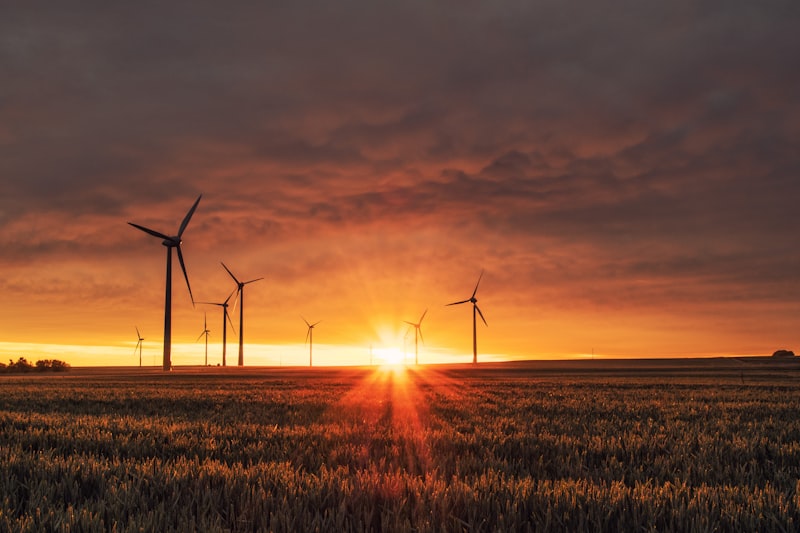
Green Coding Practices
Sustainable software engineering is an emerging discipline at the intersection of climate science, software practices, and hardware efficiency. Every line of code, network request, and database query has an energy cost.
- Energy-Proportional Computing: Ensuring systems consume power in proportion to the work performed, rather than wasting energy while idle.
- Code Efficiency: Refactoring computationally heavy algorithms (e.g. O(n²) to O(n log n)) saves CPU cycles and, consequently, electricity.
- Data Minimization: Transferring less data over the network reduces the energy required by routers, switches, and client devices.
- Carbon-Aware Execution: Shifting compute workloads to times or regions where electricity is generated from renewable sources.
The Architecture of Sustainability
Microservices have many benefits, but the network overhead between them isn't free. Edge computing (moving logic to CDNs) and serverless functions (scaling perfectly to zero when idle) are powerful architectural patterns for reducing waste.
The Business Case
The beauty of sustainable software is that it correlates perfectly with performance and cloud cost reduction. An application optimized for carbon efficiency automatically loads faster, costs less to host, and creates a better user experience. Going green is no longer just a moral imperative; it's a technical best practice.
Frequently Asked Questions
Quick answers to what readers ask most about this topic.
Does my language choice affect energy usage?
Yes. Compiled languages like C, C++, and Rust are generally the most energy-efficient. Scripting languages like Python and Ruby consume significantly more energy for the same tasks. However, time-to-market and developer productivity often require a balanced approach, like writing core logic in Rust and calling it from Python.
How can I measure my software's carbon emissions?
Tools like the Green Software Foundation's Software Carbon Intensity (SCI) specification, Cloud Carbon Footprint, and native cloud provider dashboards (like AWS Customer Carbon Footprint Tool) can help tracking and estimating emissions.
Related Articles

Serverless Edge Computing
Moving logic closer to the user: A deep dive into edge functions, global distribution, and achieving sub-10ms response times worldwide.

The Future of Quantum Computing
Explore how quantum mechanics will revolutionize encryption, data processing, and the very fabric of the internet.

AI-Driven Design Systems
How generative AI is helping designers create more consistent, accessible, and beautiful user interfaces at unprecedented speed.